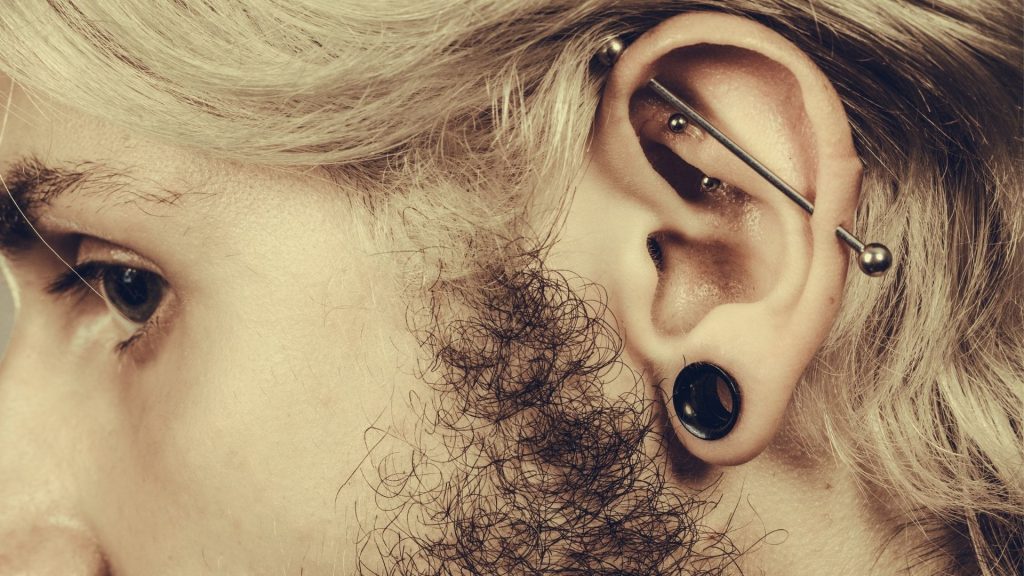
Your body will heal independently after you get a piercing, but some extra care can help. Follow these simple aftercare tips to keep the piercing clean and recover well with minimal discomfort. Here are some easy steps to support the healing process.
1-Ear and body piercings
Your body can heal itself, so taking care of a piercing is mostly about giving it time. Here’s how to do it:
- Clean your piercing with fresh running water or sterile saline 1-2 times a day for 30-60 seconds. This helps remove any crust and keeps the area clear.
- After cleaning, gently dry the Piercing with a clean paper towel or gauze. To avoid leftover moisture, you can also use a cool blow-dryer for 20-30 seconds.
- Don’t forget to visit your piercer for check-ups and to adjust the jewellery if needed.
What to Expect
It’s normal to feel sore, see some bleeding or bruising, and have a bit of swelling in the first few days after getting a piercing. The area might stay tender for a few weeks and could get crusty or itchy as it heals. This is all part of the healing process and will improve with time and care.
Even if your Piercing looks healed on the outside, it might not be completely healed yet. It can take a while for a piercing to settle fully. To avoid problems, don’t change or remove the jewellery yourself during the first year.
How to properly care for your piercing
Here’s a detailed guide on how to properly care for your piercing:
- Avoid touching or twisting your piercing or jewellery. This can introduce bacteria and irritate the Piercing, which may lead to infection or slow healing.
- Don’t use chemicals, oils, ointments, harsh soaps, or salt soaks unless your piercer has specifically recommended them. These substances can interfere with the healing process or irritate.
- Skip the cotton balls and swabs, as they can leave tiny fibres behind that may irritate the piercing. Instead, gently pat the area dry using clean, non-woven gauze or paper towels.
- Don’t change or remove the jewellery until your piercer advises you to do so. Changing the jewellery too early can disrupt the healing process and cause complications.
- Be cautious when bumping, hitting, or snagging your Piercing. These actions can traumatise the piercing site, which can lead to prolonged healing or infection.
- Try not to lie or sleep on your piercing during the healing period. If you’re having trouble avoiding this, a travel pillow can help you keep pressure off the Piercing.
- Keep harsh soaps, moisturisers, or cosmetics away from the Piercing. These products can introduce chemicals that may irritate or infect the piercing.
- Avoid oral contact and coming into contact with other people’s bodily fluids around your piercing. This includes kissing or any contact that could transfer germs to the Piercing.
Stay out of pools, hot tubs, rivers, or lakes to prevent your piercing from soaking. These environments can harbour bacteria that might lead to infection.
2-Oral Piercing

Oral piercing care is similar to other piercings. Clean the outside like you would any other piercing. For the inside of your mouth, rinse with cool bottled water after eating, drinking, smoking, or vaping. Consider getting a new toothbrush for extra safety.
Visit your piercer to check on your piercing and adjust the jewellery if needed. Ill-fitting jewellery can damage your gums and teeth.
What to Expect
Oral piercings often swell more than other piercings, but the swelling usually lasts for 1-3 weeks, depending on your care. You might feel some discomfort and tenderness during this time. If you can use it, taking over-the-counter anti-inflammatory medicine can help with the swelling and pain.
How to Care for Oral Piercing
- Avoid touching or playing with the jewellery. Handling the jewellery too much can introduce bacteria and irritate the piercing, leading to infection or slow healing.
- Minimise talking as much as possible. Excessive talking can cause irritation and discomfort to a new oral piercing, so try to speak less to help the healing process.
- Avoid activities that could lead to others’ bodily fluids coming into contact with the piercing. This includes not engaging in oral sex, kissing, and sharing food or drinks. These activities can introduce bacteria and increase the risk of infection.
3- Genital Piercing

The easiest way to clean a healing genital piercing is while you’re showering. At the end of your shower, use a small amount of mild, fragrance-free soap to gently wash around the Piercing. Don’t move or twist the jewellery. Rinse the area well for 30-60 seconds.
After rinsing, carefully pat the piercing dry with a clean paper towel or gauze. Let it air-dry for a few minutes before getting dressed.
What to Expect
When healing a new genital piercing, it’s normal to have swelling, tenderness, bleeding, and drainage. These might seem worrying, but they are part of the healing process. As it heals, the piercing might get crusty and itchy, which is also expected.
Everyone’s body reacts differently to genital piercings. After your piercing is fully healed, you may need to try different sizes and styles of jewellery to find what’s most comfortable and suits your lifestyle.
How to Care for Genital Piercing
Do not touch or play with your piercing or jewellery. Handling the piercing or twisting of the jewellery can introduce bacteria and irritate the area, leading to infection or complications.
- Avoid using chemicals, oils, ointments, harsh soaps, or salt soaks on your piercing unless your piercer has specifically recommended them. These products can be too harsh and may interfere with healing or cause irritation.
- Do not change or remove the jewellery until your piercer gives you the go-ahead. Removing or swapping jewellery too soon can disrupt the healing process and cause problems.
- Stay away from pools, hot tubs, rivers, and lakes to prevent soaking your Piercing. These bodies of water can contain bacteria that might lead to infection.
- Avoid any activities that might expose your piercing to others’ bodily fluids. This includes not participating in unprotected sexual activities or oral sex, as these can introduce bacteria and increase the risk of infection.